Where to Hide a Tracker: The Best and Worst Places on Tools, Vans and Plant
24 September 2026 · 6 min read
Every tracker conversation eventually arrives at the same question: where do I actually put it? It matters more than people expect. A tag stuck somewhere obvious gets found and binned in the layby, and a tag buried inside a block of metal may never report at all. Hiding a tracker well is a balance between two opposing forces — concealment and radio — and the best spot is the one that gives you enough of both.
The two rules that decide everything
Rule one: assume they will look. Anyone stealing tools for a living knows trackers exist and will spend a minute checking the easy places — under the seat, in the glovebox, in the tool case lid, on the battery. A tag that survives that first sweep is worth far more than a tag that is merely out of sight.
Rule two: radio does not go through metal. A Bluetooth tag signals to nearby phones, and a solid steel enclosure or a metal toolbox will attenuate that signal severely — sometimes to nothing. The art is finding somewhere concealed that still has a plastic panel, a gap, a rubber grommet or an air path to the outside world.
Tip — Test before you commit. Fit the tag, close everything up, and walk away with your phone to see whether it still reports. Two minutes of testing beats discovering the problem after a theft.
Hand tools and power tools
Power tools are mostly plastic, which is good news for radio and bad news for space. The usable cavities are: inside the handle, behind a battery bay, under a rubber over-mould, inside the base of a chop-saw or grinder body, and in the void behind an end cap.
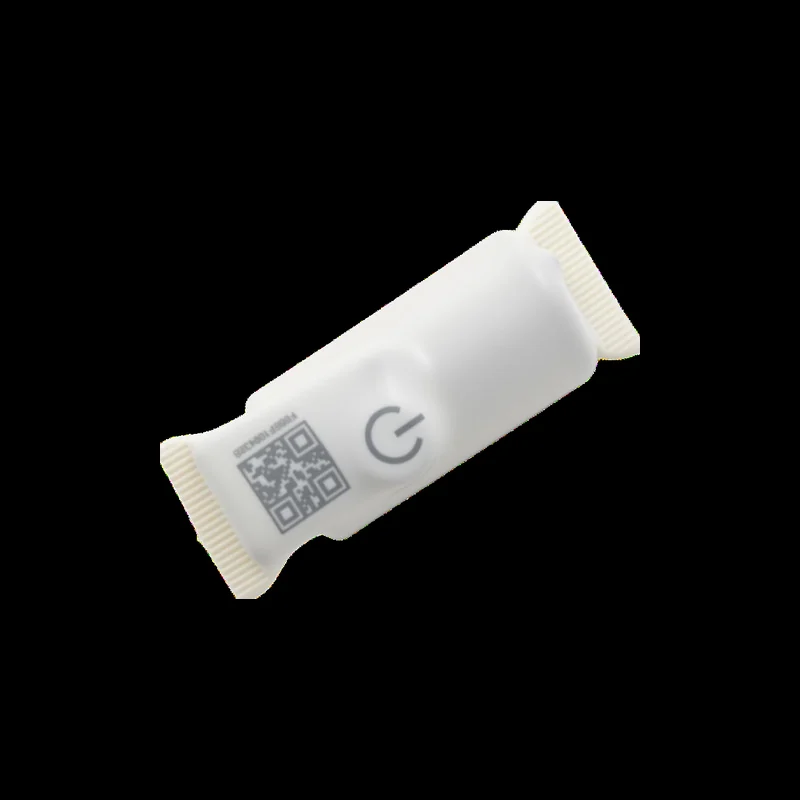
- Best: an internal cavity in the tool body, where only dismantling would reveal it — this is exactly what the Heat-Shrink capsule is shaped for, and its three-year life means you fit it once and forget it.
- Good: under a rubber grip or behind a removable panel, with a paper-thin adhesive tag like SpacePaper, which disappears under a label or beneath a cover.
- Avoid: the battery pack. It gets swapped, borrowed, lost and left on charge in a different van to the tool.
- Avoid: the outside of the case. The case gets abandoned; the tool gets sold.
The general principle with tools is to tag the thing that holds its value, not the thing that carries it. See our full walk-through of [fitting SpacePaper tags to tools](/blog/track-your-tools-with-spacepaper-tags) for the step-by-step.
Vans
A van is a large metal box with a lot of plastic trim, which gives you more options than a tool — and more obvious places that get checked first.
- Best: hard-wired and hidden in the loom. A wired beacon powered from the vehicle's own 12/24V supply never needs charging and can be buried deep behind trim — fit it and it runs for the life of the van.
- Good: behind a plastic interior panel, inside a door card, under the dash away from the OBD port, or within the rear quarter trim.
- Good: inside a ply-lined racking upright or a false floor void, if there is a non-metal path out.
- Avoid: the glovebox, under the driver's seat, the sun visor, the OBD port. These are the first four places anyone looks.
- Avoid: anywhere fully enclosed in steel, such as inside a welded lockbox — the tag will be silent when you need it.
Worth saying plainly: a tracker is the last layer, not the first. Locks, deadlocks, an alarm and not leaving tools in overnight come before it — our guide to [layered van security](/blog/van-security-for-tradesmen-layered-defences) covers the order properly.
Plant, machinery and trailers
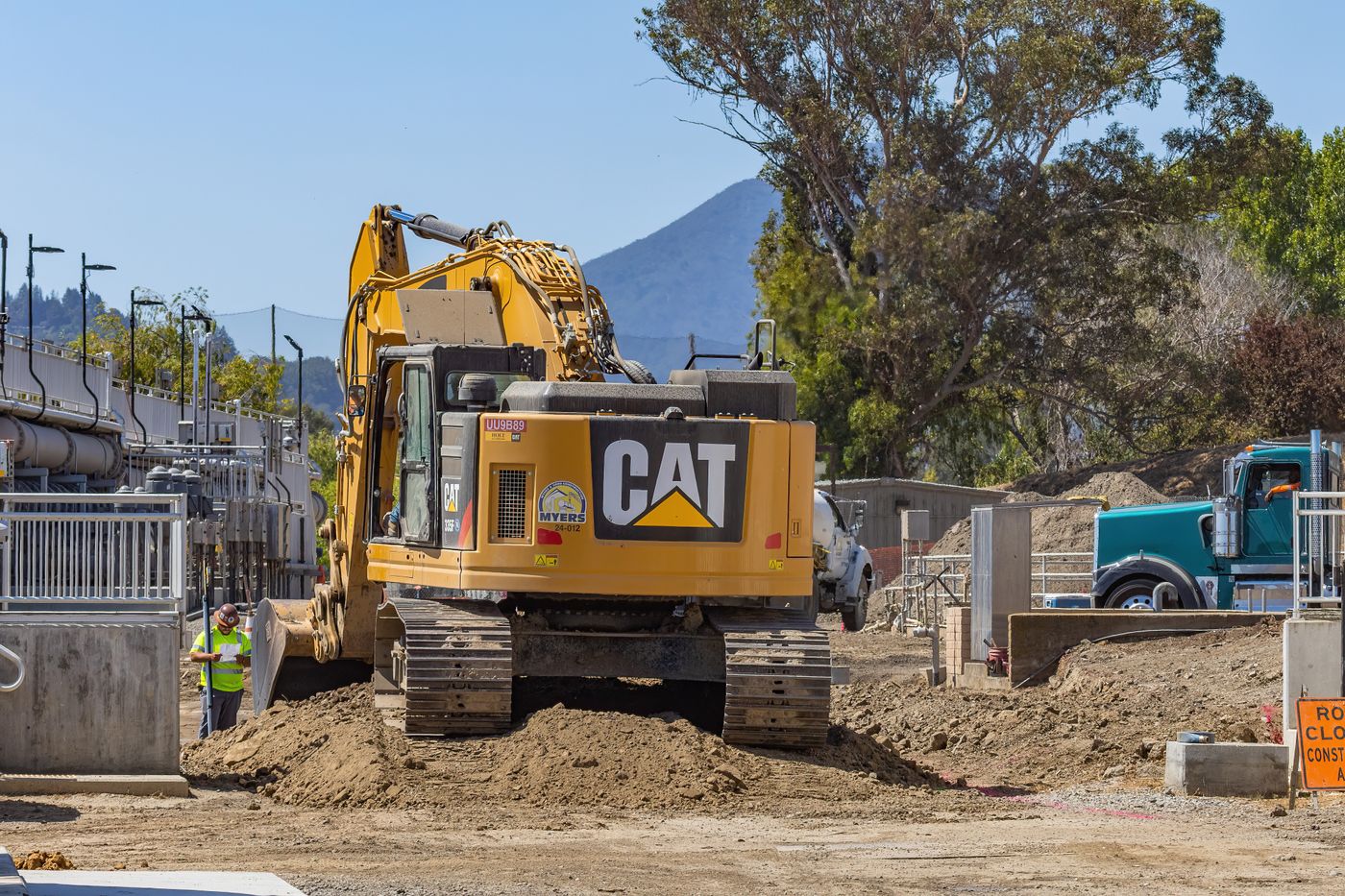
Big kit is where hiding a tracker gets genuinely difficult, because it is mostly steel — and where getting it right pays the most, because the assets are worth the most.
- Best: hard-wired into the machine's electrical system, tucked into the loom behind a panel. Permanent power, permanent concealment, nothing to maintain.
- Good: inside the cab trim, behind the dash, or in the headlining — plastic, concealed, and with a signal path out through the glass.
- Good on trailers: inside the nose cone, within a plastic light cluster housing, or inside a wheel arch liner.
- Avoid: the engine bay near the exhaust or turbo. Heat kills batteries and adhesive fails.
- Avoid: anywhere exposed to jet-washing, in a mud trap, or on a hydraulic hose run.
- Avoid: the one place the last machine had it. Thieves working a patch learn patterns.
Two tags beat one
On anything genuinely valuable, fit two: one in a reasonably findable place, and one properly buried. A thief who finds the first often stops looking, satisfied the vehicle is clean — and the second one is still reporting when the machine reaches wherever it is going. It is the cheapest insurance in the whole exercise.
Practical fitting notes
- Clean and degrease the surface before using an adhesive tag. Dusty or oily plastic will shed a sticker within weeks.
- Mind the temperature. Engine bays, machine housings and unheated stores in January all shorten battery life.
- Note where you put it. A register of which asset carries which tag, and where, saves an argument later and makes the annual battery check possible — our [30-minute tool audit](/blog/thirty-minute-tool-audit-asset-register) covers keeping that list honest.
- Check it after the first fortnight, then periodically. A tag that has stopped reporting and nobody noticed is worth nothing.
- Do not tell everyone. The fewer people who know the exact locations, the better — most tool theft has an inside edge somewhere.
Match the form factor to the hiding place
This is really the whole point of having several shapes of tag. A paper-thin adhesive beacon goes where nothing else fits — under a label, behind a panel, on a curved surface. A rechargeable card slips into a bag, a glovebox or a toolbox. A hard-wired beacon is the answer for anything with a 12 or 24 volt supply, because it never needs charging. And a rugged heat-shrink capsule goes inside handles, frames and cavities where a flat tag simply will not go, and stays there for years.
Pick the shape that fits the hiding place, not the other way round. Browse the full [tracker range](/trackers), see how they work for [tool tracking](/tool-tracking) and [plant tracking](/plant-tracking), or [tell us what you are protecting](/contact) and we will suggest the format and the fitting spot.
Frequently asked questions
Where is the best place to hide a tracker in a van?
Hard-wired into the loom behind interior trim is the best option, because it never needs charging and cannot be spotted without dismantling. If you are using a battery tag, behind a plastic door card or rear quarter trim works well. Avoid the glovebox, under the seat and the OBD port — those are the first places checked.
Will a tracker still work inside a metal toolbox?
Often not. Metal severely attenuates the Bluetooth signal, and a fully enclosed steel box can silence a tag completely. Look for a spot with a plastic panel, a grommet or a gap to the outside, and always test with the box closed before relying on it.
Should I fit more than one tracker to a valuable asset?
Yes. Fitting two — one moderately hidden, one deeply concealed — means a thief who finds the first often assumes the asset is clean and stops looking, while the second keeps reporting. On plant and high-value vehicles it is well worth the small extra cost.
Does hiding a tracker affect its battery life?
The hiding place itself does not, but the environment does. Heat is the main enemy — an engine bay or a machine housing will shorten battery life noticeably. Cold reduces performance temporarily. Choose a concealed spot that is dry and at a reasonable temperature where you can.
Make your tools findable
Tag your kit with SpacePaper, keep an insurance-ready register, and share live tracking with the police — all from one app.