Tools Over the Christmas Shutdown: Securing a Van and a Site You Are Leaving for Two Weeks
10 November 2026 · 7 min read
Tool theft is usually a problem of minutes. A van is opened, emptied and gone before anyone notices, and the whole thing turns on how quickly it is discovered. The Christmas shutdown breaks that pattern in the worst possible way, because for once the clock is not running in hours. It is running in days.
A site that closes on the 19th and reopens on the 5th is unattended for a fortnight. A van parked up at home on Christmas Eve may not be opened again until the new year. Whatever goes missing in that window is gone long before anybody knows to look for it, and by the time it is reported the trail is cold.
None of what follows is expensive, and most of it is a decision rather than a purchase. But it has to be done before you lock up, which means now rather than on the last afternoon.
Why the shutdown is different
- Discovery is measured in days, not hours. The single biggest factor in recovering stolen kit is how fast you notice, and over the break that advantage disappears entirely.
- Sites are predictable. Anyone can see which compounds went quiet before Christmas and which ones still have a van coming and going.
- Everything is in one place. Tools that normally live across several vans and jobs often get consolidated into one container or one garage for the break, which turns a series of small targets into a single large one.
- Insurers get stricter. Many policies have conditions about unattended vehicles and overnight storage that bite hardest over an extended closure.
- Nobody is on site to challenge anyone. A van on a closed site in January looks wrong. In the last week of December it looks like someone collecting kit.
Decide what actually needs to be there
The cheapest security measure is not leaving it. Before the break, go through what is in the van and the container and split it three ways: what genuinely has to stay, what can come home, and what you have been carrying around for months without using.
That third pile is usually bigger than people expect, and it is pure exposure. If a tool has not come out of the van since the summer, it is not earning its place over Christmas either. A [thirty-minute tool audit](/blog/thirty-minute-tool-audit-asset-register) is the fastest way to find out what you are actually carrying.
Tip — If you do nothing else this year, empty the van on the last day. An empty van with the doors left visibly unlocked and the load space lit is a far less interesting target than a locked one that might be full.
Write down what you are leaving
An asset register is dull and it is the difference between a claim that gets paid and one that stalls. Over a shutdown it matters more than usual, because you will be reconstructing from memory something that happened while you were not there.
For anything staying put, you want the make, the model and the serial number, plus a photograph. Serial numbers are what let the police return a recovered tool to you rather than auctioning it, and they are the thing nobody has when they need it. Our guides on [serial numbers and insurance](/blog/tool-serial-number-register-insurance) and [marking and registering kit](/blog/tool-marking-asset-register-insurance-uk) cover how much detail is enough.
Take the photographs before you lock up, not after. A picture of the container packed on the 19th tells you exactly what should be in it on the 5th.
Trackers: what they do and do not do over a long break
A tracker does not stop a theft. What it does is shorten the gap between the kit moving and you knowing about it, which over a fortnight is precisely the gap that matters.
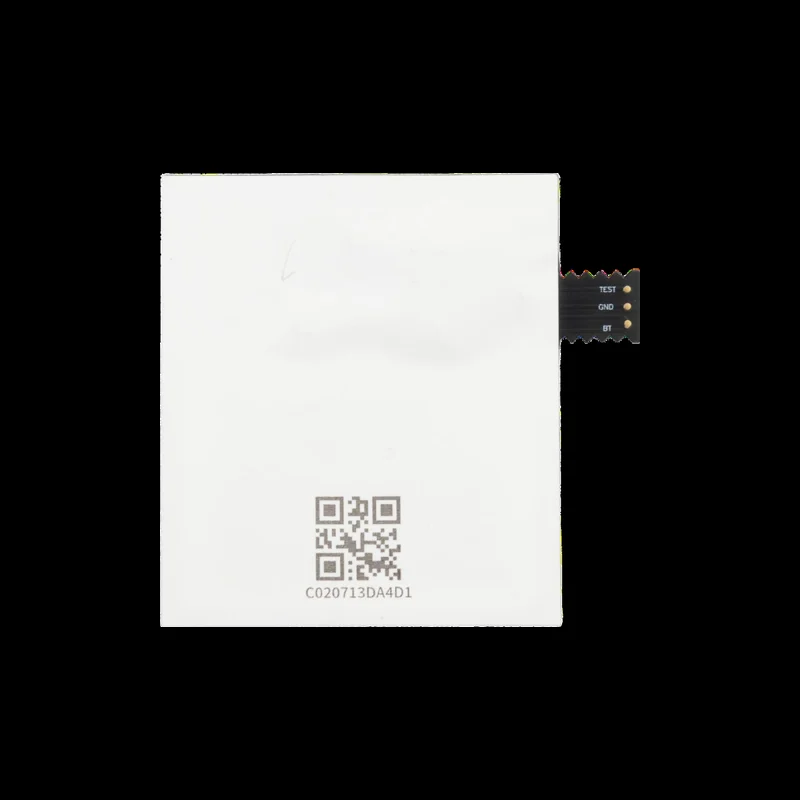
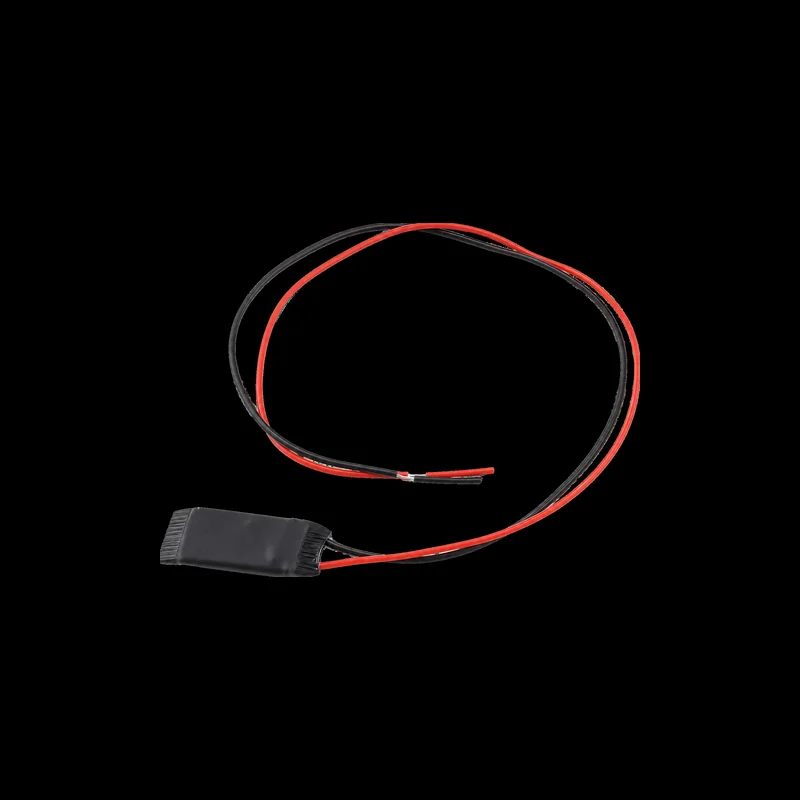
The practical distinction is between tags that report when something passes nearby and trackers that report on their own. Over a two-week closure, on a site nobody is visiting, that difference is sharper than it is in normal working weeks, because there may be nothing passing by to pick a tag up. We set the trade-offs out in [BLE crowd tags vs 4G GPS trackers](/blog/ble-crowd-tags-vs-4g-gps-trackers-tools-plant-uk).
Wherever you put one, put it somewhere a thief will not look in the first five minutes, and not in the obvious case pocket. [Where to hide a tracker](/blog/where-to-hide-a-tracker-tools-vans-plant-uk) goes through the placements that survive a quick strip.
Tip — Check the batteries on anything you are relying on before you lock up. A tracker that dies on the 27th is worse than no tracker, because you will assume it is still watching.
The van, if it has to stay loaded
Sometimes emptying it is not realistic. If the van is staying loaded over the break:
- Park it where it is overlooked and lit, nose in against a wall or another vehicle so the back doors cannot be opened.
- Use a physical lock that is visible from outside. Most of the deterrent value is in being seen before anyone commits.
- Take the ladders and the roof rack load off. They are the easiest thing to walk away with and the least likely to be insured.
- Do not leave paperwork with the site address in the cab. It tells a thief exactly where the rest of the kit is.
- Tell a neighbour it will be sitting there. Someone knowing it should not move is worth more than most hardware.
Our [layered van security guide](/blog/van-security-for-tradesmen-layered-defences) goes through locks, alarms and placement in more detail, and the [winter checklist](/blog/dark-evenings-tool-theft-winter-van-checklist) covers the darker-evenings habits that carry through the whole season.
Agree who is checking, and when
The commonest failure over a shutdown is not that nobody has a key. It is that everybody assumed somebody else was looking.
Before you break up, put a name against the site for each week and agree roughly when they will look. A single drive past on the 28th is worth more than a vague intention to keep an eye on things. Make sure that person can actually get in, knows what should be there, and knows who to ring if it is not.
The question to settle before you lock up is not whether the kit is secure. It is who finds out first if it is not, and how long that takes.
If the worst happens
Report it straight away, even over the holidays, and get a crime reference. Insurers will ask for one and the delay is harder to explain the longer you leave it.
If you have tracking, share the location with the police rather than going to look yourself. [Sharing tracking with the police](/blog/share-tracking-with-police) covers what they can act on and how to hand it over, and [what to do after a theft](/blog/track-tools-after-theft) walks through the first hour.
The short version
- Empty what does not need to stay, and do it before the last afternoon.
- Photograph and list what is left, with serial numbers.
- Check the batteries on anything you are relying on to tell you it moved.
- Park the van overlooked, lit and nose in, with the racks cleared.
- Put a name and a rough date against each week of the closure.
None of it takes an afternoon, and all of it has to happen before you lock the gate. The point of the whole exercise is simple enough: make sure that if something does move over the break, you hear about it in hours rather than in January.
Frequently asked questions
Should I empty my van completely over Christmas?
If you can, yes. An empty van is the single most effective measure available and it costs nothing. If it has to stay loaded, park it overlooked and lit, nose in so the rear doors cannot be opened, and take the roof rack load off.
Do I need to report a tool theft over the holidays, or can it wait?
Report it straight away and get a crime reference number. Insurers will ask for one, and a delay between the discovery and the report is harder to explain the longer you leave it.
What information should I record before locking up?
Make, model and serial number for anything staying put, plus a photograph of how the van or container was packed on the last day. Serial numbers are what allow recovered tools to be returned to you rather than disposed of.
Will a tracker stop my tools being stolen?
No. A tracker does not prevent a theft; it shortens the time between the kit moving and you finding out. Over a two-week closure that gap is the thing that decides whether anything is recoverable.
Make your tools findable
Tag your kit with SpacePaper, keep an insurance-ready register, and share live tracking with the police — all from one app.