Hired Plant and Subbie Kit: Tracking Things That Aren't Yours
7 October 2026 · 6 min read
Most firms set up asset tracking around the things on their own balance sheet. It is the obvious place to start, and it leaves two expensive blind spots: the plant you have on hire, and the kit that belongs to your subcontractors but lives on your site.
Both tend to produce the worst version of a loss — one where the item is gone, the money is still going out, and the question of who carries it is genuinely arguable.
Hired plant: the meter usually keeps running
This is the part that surprises people the first time. Hire agreements commonly make the hirer responsible for the equipment while it is on hire, including loss and damage — and the charges typically continue until the item is either returned or formally settled.
So a stolen excavator is not one loss, it is three: the value of the machine, the hire charges still accruing while it is resolved, and the downtime while you source a replacement at short notice. The first is usually insured in some form. The second and third are often not.
Tip — Read the loss and damage clause of your hire terms before the next delivery, not after an incident. It tells you precisely what you are carrying — and that is what should drive whether you tag hired items.
Can you put a tracker on hired equipment?
A fair question, and the answer is to ask rather than assume. A non-invasive tag — attached, not wired into the machine's electrics — is usually uncontroversial, and many hire companies are relaxed about it because a recovered machine suits them too. Anything that involves cutting into wiring or the ECU is a different conversation and generally not acceptable.
Two practical rules. Fit nothing that modifies the machine. And remove your tag at off-hire, which matters more than it sounds: leaving a tracker on a returned machine means you are collecting location data on somebody else's asset, which is not a position you want to be in.
Off-hire disputes, and the other way tags pay
The loss case is the dramatic one. The common one is quieter: a dispute about when a machine actually came off hire. A collection that was booked, then missed, then rebooked, and an invoice that runs three weeks past when the item left your site.
A tag with a location history settles that in a sentence. The machine was at the yard from the 4th and never moved — here is the record. That alone has paid for a lot of tags, and it has nothing to do with theft.
Subcontractor kit: the responsibility question
Subbie tools on your site are a different problem with a similar shape. The kit is not yours, the loss is not on your asset register, and when it goes the conversation is about whose responsibility it was — your site security, their storage, or nobody's.
Resolve it with clarity rather than hardware. Three things do most of the work:
- Say in writing, before they start, who is responsible for subcontractor tools on site and under what conditions — secure store provided, locked overnight, removed at the end of each day.
- If you provide the secure storage, know what went into it. A simple logged check-in for high-value kit entering a site store turns 'it was stolen from your container' into a documented position either way.
- Encourage subbies to mark and register their own tools. It costs them nothing, it is what their insurer will ask for, and it means a recovered item can actually be returned to them.
Our pieces on [tool marking and asset registers for insurance](/blog/tool-marking-asset-register-insurance-uk) and the [thirty-minute tool audit](/blog/thirty-minute-tool-audit-asset-register) are worth passing to anyone who turns up without a register.
What to tag, and what not to bother with
Be selective. The test is not value alone — it is what the consequence of losing it would be.
- Tag hired plant and powered access: the machines where hire charges continue and a replacement is not same-day.
- Tag anything on long-term hire. A six-month hire is effectively part of your fleet and should be treated as such.
- Tag high-value items in a shared site store, including ones that are not yours, where you have taken responsibility for them.
- Do not bother with short-hire consumable-grade items, where the admin of fitting and removing a tag exceeds what it protects.
The habit that makes it work
Tagging hired kit only helps if the tag goes on at delivery and comes off at collection. Build it into the two moments that already exist: the delivery check and the off-hire booking. Fitted at delivery, logged against the hire reference, removed and logged at collection.
Done that way it takes a minute per machine and gives you a location history that covers exactly the period you are liable for — which, when a hire company's invoice and your records disagree, is the only thing that settles it.
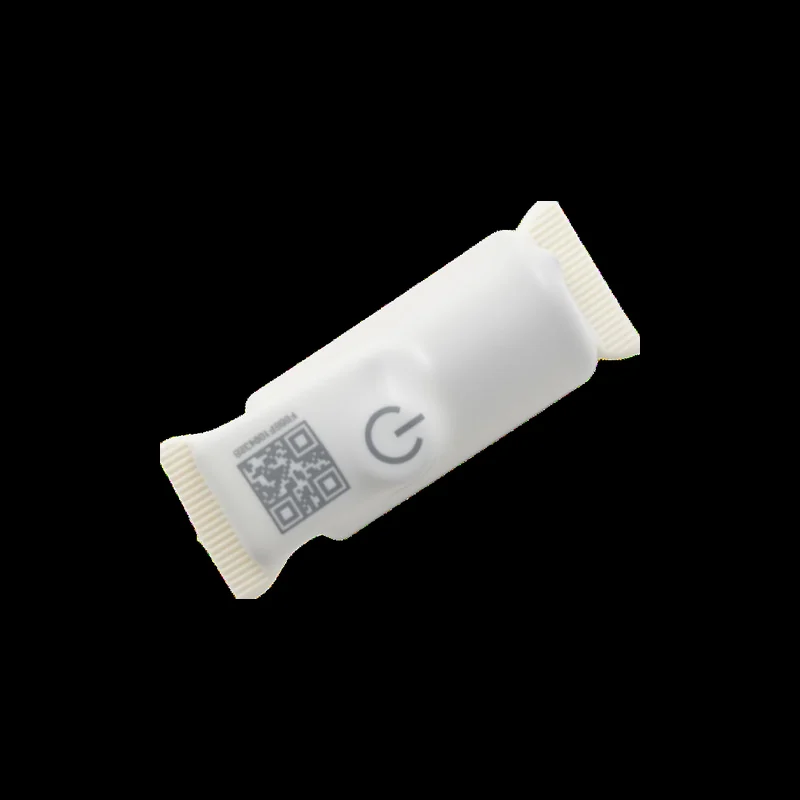
Localizit tags attach without modifying anything, and the location and custody history stays with the asset record, so a hire period has evidence attached to it rather than relying on recollection. [See the tag formats](/trackers), read about [plant and machinery tracking](/plant-tracking), or [talk to us](/contact) if you want it sized against how much plant you have on hire at any one time.
Frequently asked questions
Am I liable if hired plant is stolen from my site?
Usually yes, in some form — most hire agreements make the hirer responsible for loss and damage while the equipment is on hire, and charges commonly continue until the matter is settled. The exact position is in your hire terms, so read the loss and damage clause rather than assuming. That liability is the reason tagging hired plant often makes more financial sense than tagging kit you own outright.
Is it allowed to fit a tracker to equipment I've hired?
Ask the hire company, and keep it non-invasive. A tag that attaches to the machine without touching the wiring or ECU is usually fine and often welcomed, since recovery suits the owner too. Anything that modifies the machine is not. Always remove your tag at off-hire — you should not be collecting location data on a machine that has gone back.
Who is responsible for subcontractors' tools on my site?
Whoever your contract says, which is why it is worth stating before work starts rather than after a theft. If you provide a secure store and take responsibility for what is in it, log what goes in. If responsibility stays with the subcontractor, say so in writing and make sure they know what storage is and is not provided.
Does tracking hired plant help with anything other than theft?
Yes, and this is often the bigger return: off-hire disputes. A location history showing when a machine actually left your site resolves an argument about weeks of hire charges in one line. Plenty of firms recover the cost of their tags on billing disputes long before they ever need one for a theft.
Make your tools findable
Tag your kit with SpacePaper, keep an insurance-ready register, and share live tracking with the police — all from one app.