Who Had It Last? Tool Accountability Without a Clipboard
7 October 2026 · 6 min read
Ask any firm running more than two vans where their tools are and you get an honest shrug. Not because anyone is dishonest — because kit moves. A breaker goes out on Tuesday with whoever needed it, gets left on site for the follow-up visit, comes back in someone else's van, and ends up in a different rack to the one it started in. Three weeks later it is needed on a quote and nobody can say where it is.
That is not a theft problem. It is a custody problem, and it is much more common — and much more expensive over a year — than actual theft. The good news is that it is the easier of the two to fix.
Why the missing-tool bill is bigger than people think
The cost of a tool nobody can find is not the replacement price. It is the replacement price plus the hire you paid while it was missing, plus the half-day someone spent driving between sites looking, plus the second one you bought that turns up a month after the first one does.
Firms usually discover the scale of it the first time they build a proper register and compare it to what is physically in the vans. The gap is rarely small.
Location answers a different question to custody
A tracker tells you where something is. That is exactly what you need when a tool has been stolen. It is not what you need when a tool has been mislaid inside your own business.
If a breaker is showing on a map in a yard where four vans are parked, you know where it is and still not who has it, whether it came back from the last job, or who to ask. Location plus custody answers both: it is here, it went out with Dave on the 14th, and it has not been signed back.
Tip — The practical test: if a tool goes missing, could you name the last person who had it within thirty seconds? If not, custody is the gap — not location.
The three systems firms try, and how they fail
Almost everyone passes through these in order.
- The clipboard or sign-out book. Works for a week. Fails because the person who most needs to write something down is the person running late at 7am, and a book in the stores is not with them when they take the tool.
- The group chat. Better than nothing, genuinely — but it is a stream, not a record. Nobody can answer 'where is the laser level' by scrolling back four hundred messages.
- The spreadsheet. Accurate the day it is made, out of date within a fortnight, and maintained by one person who eventually stops.
What they share is that recording the movement is extra work done by someone with no incentive to do it. Anything that depends on that discipline decays.
What actually sticks: make the tool report itself
The systems that survive contact with a real team have one thing in common — the tool, not the person, does the record-keeping. A tag on the asset means custody is captured as a by-product of work happening, rather than as an admin task someone has to remember at the end of a long day.
Practically, that means three things:
- Tag the kit worth tracking — not everything. Anything you would hire if it went missing, anything over a few hundred pounds, and anything that reliably wanders.
- Assign it to a home: a van, a person, a store. Now 'out of place' is something the system can tell you rather than something you have to notice.
- Check the exceptions, not the inventory. You do not want a list of ninety tools in the right place; you want the four that are not.
Start with the register, because you cannot track what you have not listed
None of this works on top of a vague idea of what you own. If there is no asset register yet, build one first — it takes less time than people expect, and it is the thing an insurer will ask for anyway. The [thirty-minute tool audit](/blog/thirty-minute-tool-audit-asset-register) walks through doing it quickly, and [tool marking and asset registers for insurance](/blog/tool-marking-asset-register-insurance-uk) covers the serial-number and marking side.
The accountability conversation nobody enjoys
Worth saying plainly: custody tracking changes how a team feels about their kit, and how you introduce it decides whether that is good or bad.
Framed as 'we are checking up on you', it breeds resentment and quiet non-compliance. Framed as what it actually is — nobody gets blamed for a tool that vanished on a site three jobs ago, and nobody has to hunt for something that is sitting in another van — it tends to be welcomed. Tradespeople dislike missing tools more than management does; they are the ones who arrive on site without them.
It also makes a real difference on subcontractor and shared-site work, where kit legitimately moves between people and 'it was on site when I left' is currently the end of the trail.
How Localizit handles it
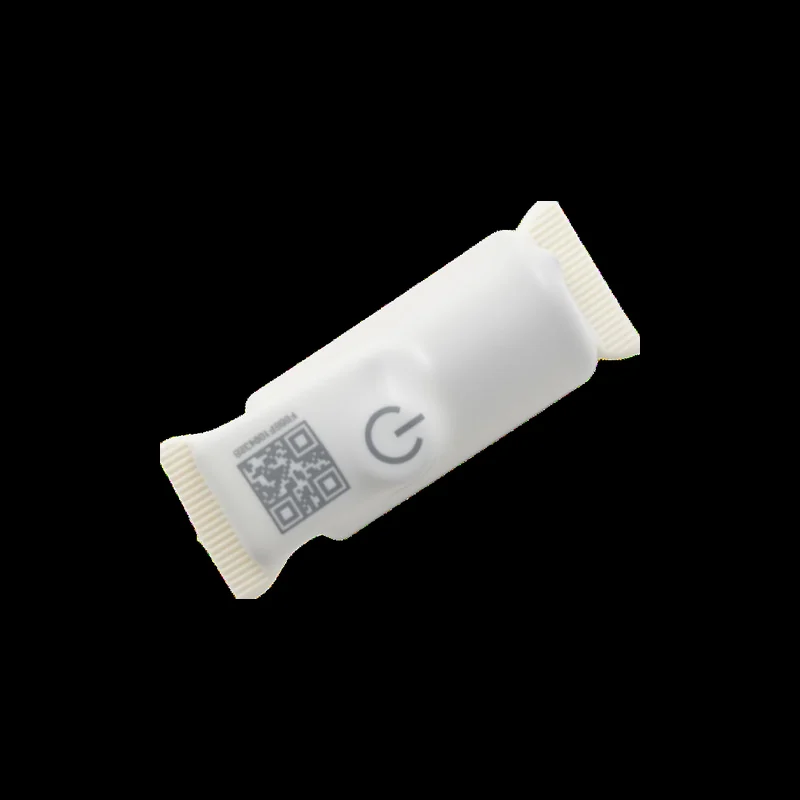
Localizit tags the asset and keeps the custody trail with it — what it is, where it has been seen, and who or what it is assigned to — so the record exists without anyone filling in a form. Tags come in formats that suit the kit rather than the other way round: a card for a tool box or cab, a rugged capsule for a drill body, a paper label for the low-value long tail. [See the tag formats](/trackers), or read [how it works](/how-it-works) end to end.
If you are running several vans and the honest answer to 'who had it last' is currently a shrug, [talk to us](/contact) — we will size it against how many assets you actually want to cover, not a per-seat licence.
Frequently asked questions
Isn't a tracker on every tool overkill?
It usually is — and it is not what we recommend. Tag what you would have to hire or replace urgently, plus anything that reliably goes missing. The cheap long tail can carry a low-cost label so it is at least in the register; the tracking budget belongs on the kit where a disappearance actually hurts.
What's the difference between asset tracking and tool custody?
Tracking answers 'where is it'. Custody answers 'who had it last and has it come back'. Theft needs the first; the far more common case of a tool mislaid inside your own business needs the second. A good system gives you both from the same tag.
Will the team actually use it?
Only if it does not ask them to do admin. Sign-out books and spreadsheets fail because they depend on someone making a record at the worst possible moment. A tag on the asset records movement as a by-product of the work, which is why it survives a busy fortnight and a clipboard does not.
Does this help with insurance?
Indirectly but usefully. Insurers ask for an asset register with serial numbers when you claim, and a maintained register plus a custody trail makes a claim far easier to evidence. It is not a substitute for marking your tools — do both.
Make your tools findable
Tag your kit with SpacePaper, keep an insurance-ready register, and share live tracking with the police — all from one app.