Planning an Asset Tracking Project? What a Rollout Actually Looks Like
5 August 2026 · 6 min read
Most asset-tracking projects start the same way: something goes missing, an audit fails, or a finance team asks where tens of thousands of pounds of tools and plant actually are — and 'somewhere in a van' stops being an acceptable answer. If you are scoping one, here is what a rollout looks like in practice, and what to get right at each stage.
Start with the job to be done
The rollouts that pay back start from a clear problem, not a tag. Decide what you are actually solving:
- Theft and recovery — getting plant, tools and vans back when they walk.
- A live asset register that stays accurate without anyone doing data entry.
- Utilisation — knowing what is idle, duplicated, or 'somewhere in a van'.
- Audit, insurance and compliance evidence on demand.
- Van stock and site accountability across teams.
Match the tag to the asset
One tag does not fit everything, and trying to make it means either overspending or under-protecting. The trick is matching tag type to each asset's value and how it moves — that is what keeps a whole programme affordable.
| Tag type | Best for | How it locates | Running cost |
|---|---|---|---|
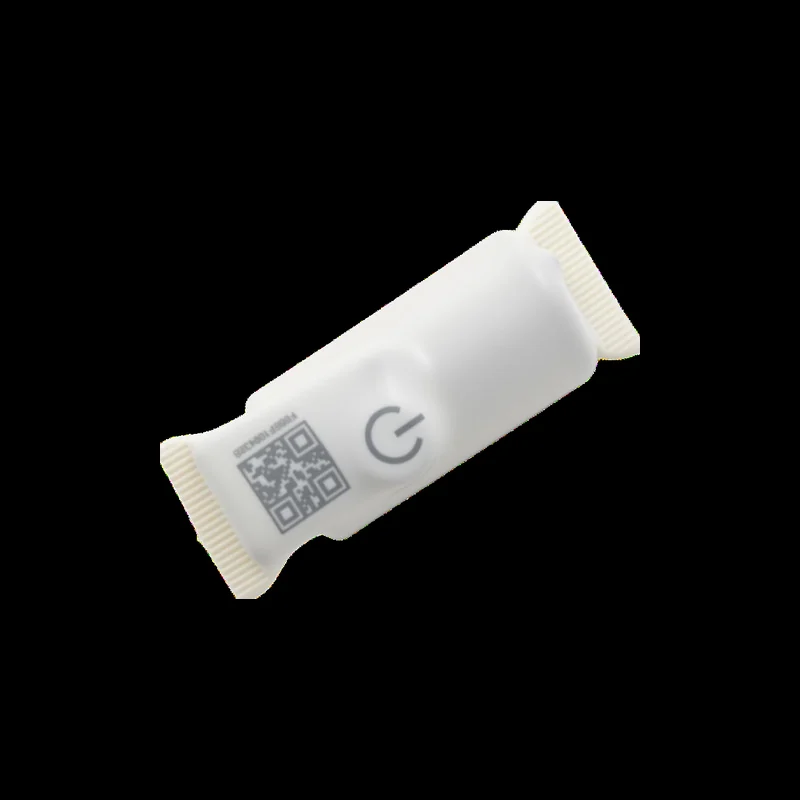
| BLE crowd-tag | Tools and small kit, in volume | Pings as it passes any phone in the network | Very low / none |
| 4G GPS tracker | Plant, machinery, vans, trailers | Live position anywhere with mobile signal | SIM per unit |
| LoRaWAN tag | Site-wide, low-power monitoring | Own gateway, multi-year battery | Near-zero once the gateway is in |
Pilot before you scale
Tag a representative batch first and prove the parts that matter before committing the whole fleet:
- Does the register build itself and stay accurate as kit moves and checks in and out?
- Do theft and geofence alerts fire fast and reach the right person?
- When something is taken, can you follow it live and share a location the police will act on?
Tip — Start with your highest-value or most-stolen assets. If tracking protects those, extending it to everything else is an easy call.
Scale across the fleet and the teams
Scaling is mostly process, not technology: roll tags out, set up check-in and check-out so the register updates itself, and give each site, van and team the right view and accountability. The aim is a register that stays right without anyone maintaining a spreadsheet.
Then it earns its keep every day
A good deployment goes quiet. It tells you only when kit moves that should not, when an audit is due, or when something needs recovering. You stop losing tools to 'it's on another job', stop paying for kit you already own but cannot find, and recover far more of what does get taken.
What it costs, and how to start
Because you match cheap tags to low-value kit and reserve GPS for what justifies it, a programme costs far less than tagging everything the same way. The honest way to price it is from your asset list, not a per-tag rate. Tell us what you run — tools, plant, vans, where and how they move — and we will scope the tags, register and rollout that fit. This is exactly the kind of project we are built to deliver.
Frequently asked questions
How long does an asset-tracking rollout take?
A pilot can run within days of the tags arriving. A full rollout is typically a few weeks, mostly spent tagging assets, setting up check-in and check-out, and getting teams into the habit.
Do I have to put a GPS tracker on every item?
No — that would be expensive and unnecessary. You put low-cost BLE tags on high-volume tools and reserve 4G GPS for high-value, mobile plant and vehicles. Matching the tag to the asset is what keeps it affordable.
Will it help me recover stolen kit?
Yes. A GPS-tracked asset keeps reporting its live location after a theft, so you and the police can follow it — and even BLE-tagged tools can be located as they pass other phones in the network.
Make your tools findable
Tag your kit with SpacePaper, keep an insurance-ready register, and share live tracking with the police — all from one app.